
The Science of Reward Systems
At the heart of many gambling experiences lies the psychology of reward systems, a concept deeply rooted in behavioral psychology. Casinos are designed to manipulate the reward mechanisms in our brains, leveraging the anticipation of wins to keep players engaged. This is often achieved through the use of intermittent reinforcement, where rewards are given sporadically rather than consistently. Players may even prefer platforms that offer quick payouts, such as those with online casino instant withdrawal options, as this unpredictability creates a sense of excitement, prompting them to continue playing in hopes of another win.
Moreover, the thrill of ‘near misses’ is also an essential psychological tactic. When players spin the reels and come close to a winning combination, the brain interprets this as a win, triggering the same pleasure response as an actual win would. This phenomenon reinforces the desire to keep playing, as players believe they’re just one spin away from a big payout. By constantly stimulating the brain’s reward centers, casinos create an environment where the thrill of potential wins far outweighs the reality of losses.
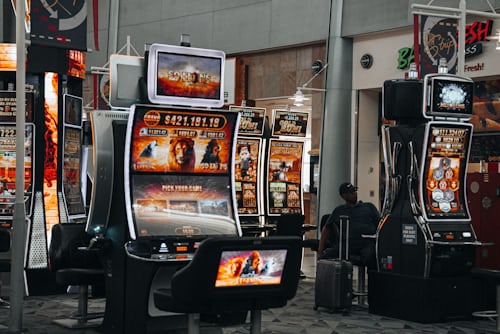
The design of games themselves often includes features like flashing lights and inviting sounds to enhance this psychological reward system. Such sensory inputs are specifically curated to generate excitement and reinforce positive emotions surrounding play. This means that players are not just engaging with a game; they are entering a crafted experience that makes it difficult to step away. Investing in these psychological principles ensures that casinos maintain player interest over extended periods.
The Role of Game Design and Features
Effective game design is crucial in utilizing psychological principles to maintain player engagement. Many casino games employ various features, such as escalating bonus rounds and progressive jackpots, to build excitement and keep players coming back for more. For instance, slots often have themes and narratives that immerse players, making them feel part of a larger story. This engagement can make losses feel less significant as the player becomes emotionally invested in the game’s journey.
Additionally, the use of bright colors and attractive graphics in casino games is not merely aesthetic; these elements are strategically employed to draw players in and maintain their interest. Research shows that visually appealing designs can enhance enjoyment and prolong gameplay. The combination of auditory stimuli—such as celebratory sounds when a player hits a small win—alongside these visual elements creates an immersive experience that keeps players engaged longer than they might have anticipated.
Furthermore, social interactions facilitated by certain games, like poker, play a crucial role in enticing players. The competitive element and the communal atmosphere enhance engagement, as players are motivated not only by the game but also by the social dynamics at play. This dual-layer of engagement—both psychological and social—ensures that players feel a sense of belonging and excitement, compelling them to return frequently.
The Psychology of Loss Aversion
Loss aversion is a profound psychological concept that plays a significant role in gambling behavior. The idea suggests that individuals experience the pain of losses more acutely than the pleasure of equivalent gains. Casinos expertly capitalize on this psychological bias by creating environments that reduce the perceived impact of losses. For instance, a player might lose a series of bets but may remember the one time they won in a significant way, reinforcing their desire to chase that positive experience again.
Moreover, the prevalence of “losses disguised as wins” in slot machines is a clear example of this strategy. When players receive a payout that is less than their bet but receives positive reinforcement through celebratory sounds and visuals, they’re less likely to perceive this as a loss. This manipulation not only keeps players optimistic but also encourages them to continue playing as they want to retrieve their losses, effectively caught in a psychological loop of chasing wins.
This concept extends to various gambling strategies, in which players develop personal systems aimed at breaking even or winning back losses. The psychological belief that they can control outcomes, even in games of chance, keeps players engaged. Casinos are aware of this tendency and design games that play into these beliefs, leading players to stay longer than they originally intended, driven by the hope of overcoming previous losses through future wins.
The Influence of Social Proof and Competition
Social proof and competition are powerful motivators that casinos leverage to keep players engaged. When individuals see others winning, it creates an environment that fosters a sense of possibility and encourages more gameplay. This is evident in spaces where large crowds gather, as players are naturally drawn to games where there seem to be many winners, often leading to a feeling of camaraderie and shared excitement.

Additionally, live dealer games have surged in popularity, combining the thrill of traditional casino experiences with the convenience of online gaming. These setups allow players to see real people dealing cards or spinning wheels, reinforcing the idea that wins are achievable. The social interaction involved—such as chatting with other players or dealers—enhances the experience and encourages extended play, as individuals feel more connected and engaged in a communal setting.
Gamification elements, such as leaderboards and achievements, further enhance this social competitive aspect. Players are often motivated to return to beat their own scores or those of others, creating a healthy but compelling competition that keeps them hooked. As they strive to climb the ranks, they engage more deeply with the games, leading to longer play sessions and repeat visits to the casino.
Understanding Casino Strategies Through Insights
Understanding the psychological strategies employed by casinos can empower players to make informed decisions. Awareness of techniques such as the manipulation of reward mechanisms, loss aversion, and social dynamics allows players to engage more thoughtfully with these environments. By recognizing how these strategies function, individuals can better navigate their experiences and mitigate the risks associated with impulsive decisions.
Moreover, many enthusiasts turn to analytical tools to help manage their play. Websites and forums dedicated to gambling provide insights into both the psychology of gaming and the mathematical probabilities behind various games. By arming themselves with knowledge, players can foster a healthier relationship with gambling, one that prioritizes enjoyment over chasing losses or engaging in harmful patterns.
In essence, understanding the interplay of psychology and game design allows players to play more responsibly. Engaging with casino games can be enjoyable when approached with a balanced mindset, and being mindful of the psychological tactics in play will ultimately enhance the overall experience without falling prey to the gambling traps many may encounter.
Posted by: admin public